Download résuméPDF
Selected work

Behind the build.

A closer look at the problems, choices, and context behind two very different systems.

01 / Microsoft Azure

A platform for
intelligent agents.

Bringing shared foundations to AI agents used across Azure Networking teams.

My rolePlatform architecture
Scope10+ production agents
Reach52 internal teams
The challenge

Make the foundations reusable.

Teams building agents need more than a model call: they need ways to connect tools, manage context, evaluate behavior, and operate within enterprise security requirements. The Azure Networking AI Agent Platform brings those capabilities together.

The approach

Shared capabilities, room to evolve.

I architected the platform with MCP integration, dynamic memory management, multi-model orchestration, automated evaluation, and enterprise security controls. Azure AI Foundry, Container Apps, and Cosmos DB support the platform, operational state, and vector memory.

Agent experiencesOrchestration & evaluationTools, memory & securityCloud infrastructure

A simplified view of the platform’s capabilities.

The trade-off

Consistency without losing flexibility.

Shared infrastructure can reduce repeated work, but it also has to accommodate different agent needs. The platform combines common capabilities with multi-model orchestration and tool integration so teams can build on a consistent foundation.

The outcome

Built for real use.

The platform supported 10+ production agents across 52 internal teams, with 16,000–20,000 monthly API requests and approximately 712 million tokens per month. These are a snapshot of the scale described in my experience, not live metrics.

More about my experience
02 / Open source

A clearer picture,
kept local.

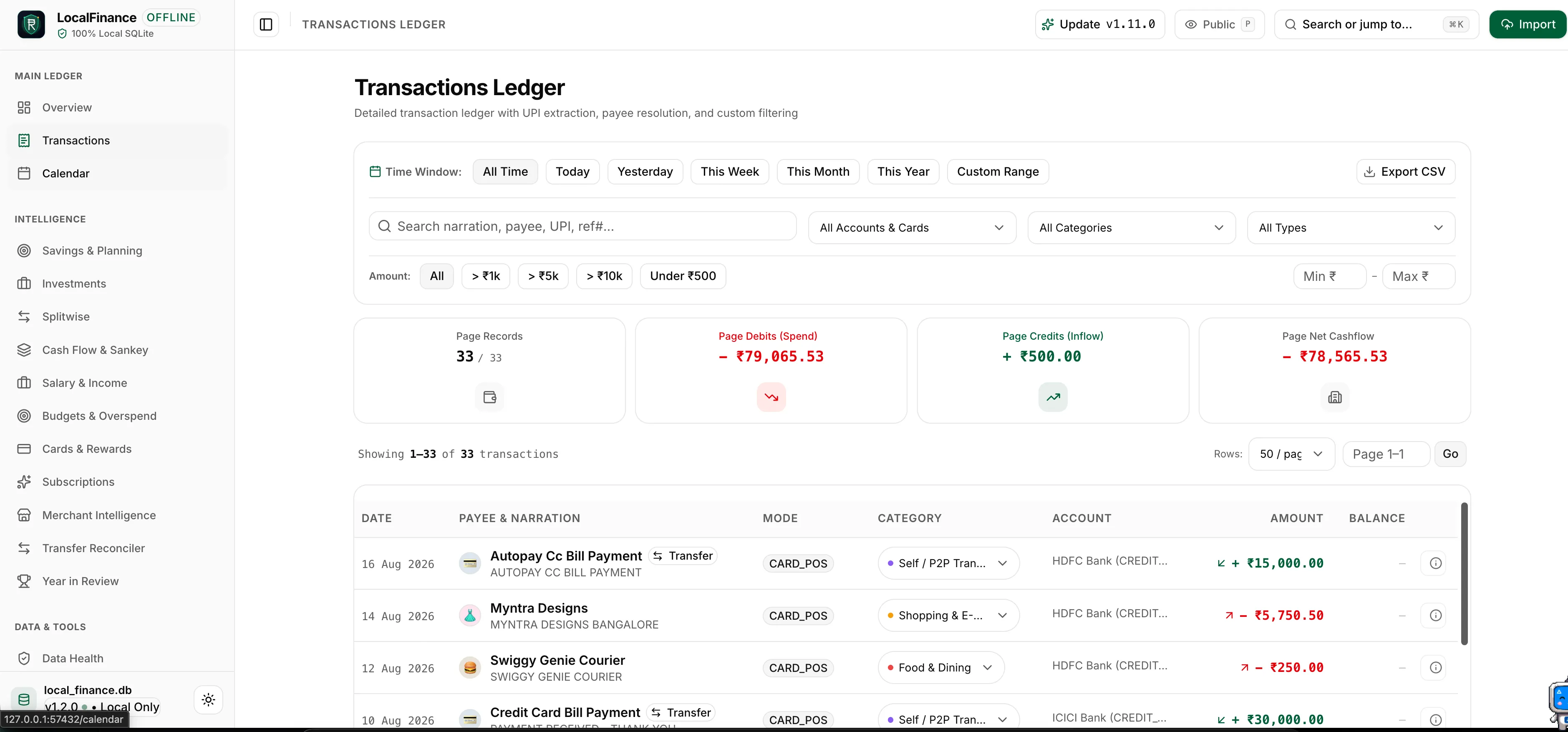
Making Indian bank and credit card statements easier to understand on your own machine.

LocalFinance transactions ledger with spending summaries and account filters
ProjectPersonal finance
DataLocal SQLite storage
StackGo · React · SQLite
The challenge

Statements contain data, not clarity.

Bank and credit card statements can be hard to bring together into a useful view of spending. LocalFinance turns imported statements into transactions that can be categorized and explored.

The approach

Keep the data close.

The app uses Go, React, and SQLite, with financial data stored locally. Its workflow is built around importing statements, categorizing transactions, and reviewing spending in one place.

The trade-off

Local ownership comes with responsibility.

Local storage gives people direct control over where their financial data lives. It also means that protecting and backing up the machine and its data remain important parts of the experience.

Explore

See it for yourself.

LocalFinance is open source. Explore the product and code for the current feature set and implementation details.

There’s more where that came from.

Explore all personal projects